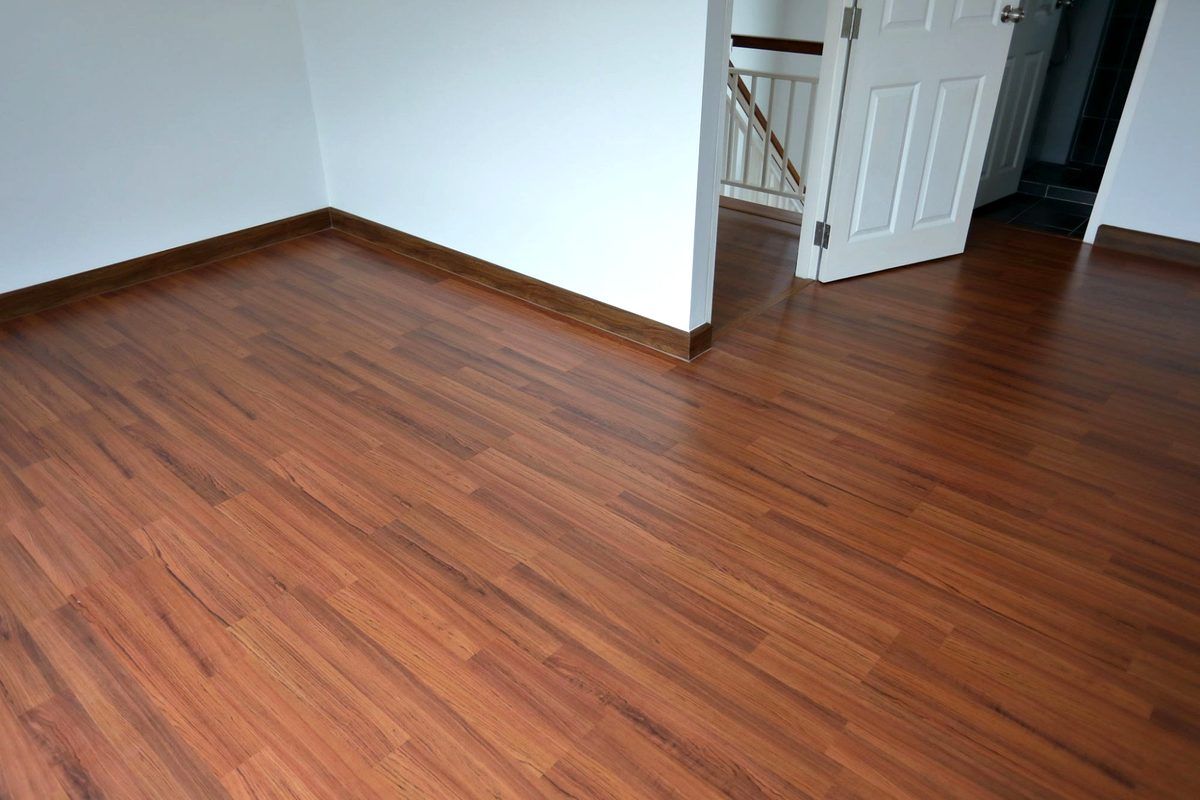
LVP vs Hardwood Flooring: Which Is Right for Your Cedar Rapids Home?
If you're replacing flooring in your Cedar Rapids home, you've probably narrowed it down to two options: luxury vinyl plank (LVP) or hardwood. Both are solid choices, but they're built for different situations — and the right pick depends on your home, your budget, and how you actually live in the space.
I've installed both extensively across Cedar Rapids, Marion, Hiawatha, and the surrounding area, so here's an honest breakdown from someone who works with these materials every day.
What Is LVP Flooring?
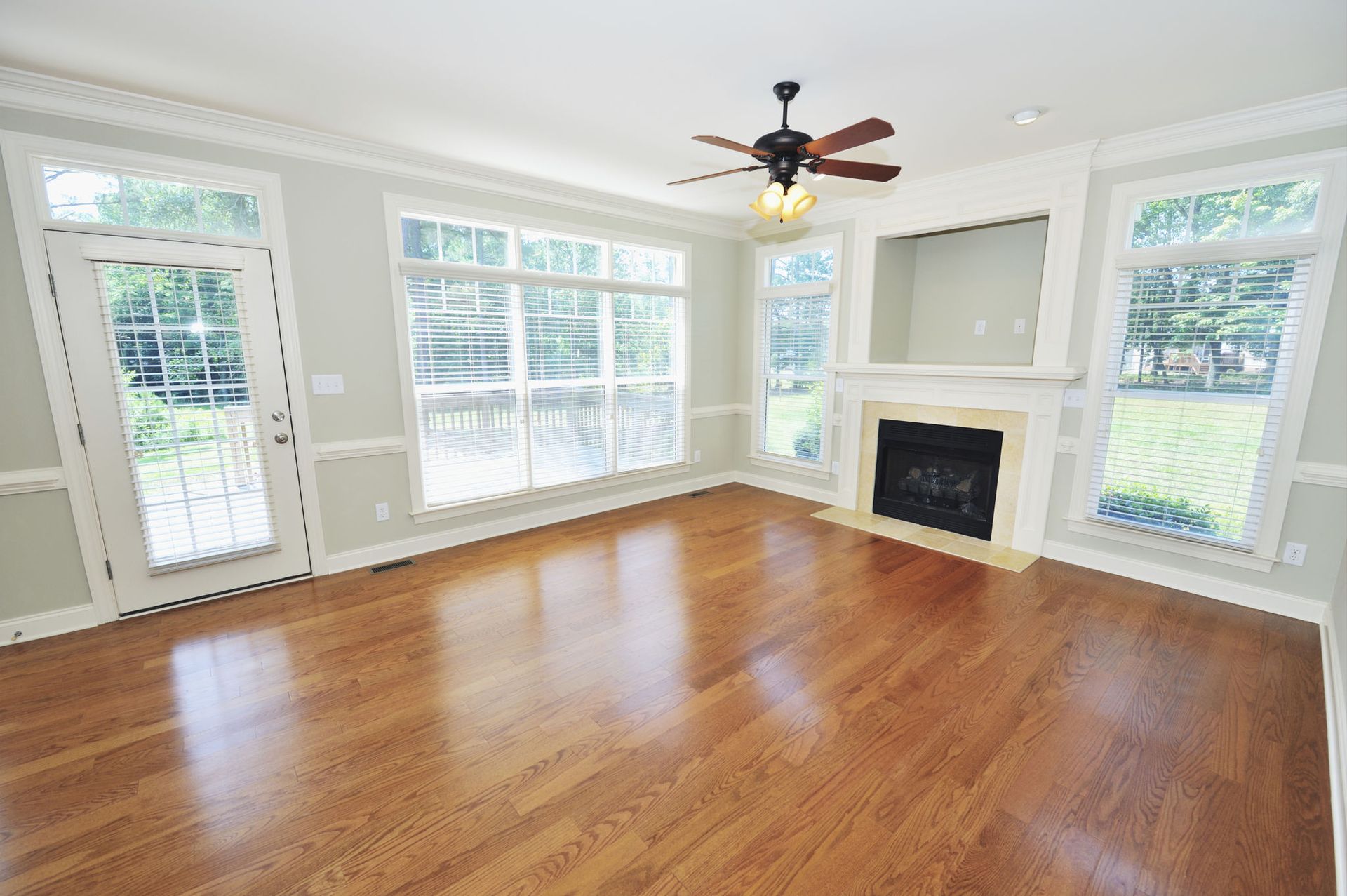
Luxury vinyl plank is an engineered flooring made up of multiple layers — a rigid or flexible core, a printed design layer that mimics wood grain, and a clear wear layer on top for protection. Modern LVP has come a long way from the vinyl your parents had in the kitchen. Today's planks are thicker, more realistic, and genuinely durable.
LVP is fully waterproof, which is a big deal for Iowa homes. Basements, kitchens, mudrooms, and bathrooms are all fair game — places where hardwood would be a risk.
What Is Hardwood Flooring?
Hardwood is exactly what it sounds like — solid planks of real wood, milled and finished for use as flooring. Red oak and white oak are the most common species I install in the Cedar Rapids area, though maple and hickory are popular too.
Hardwood has a warmth and character that's hard to replicate. The grain is natural, it feels solid underfoot, and it adds real value to a home. It can also be sanded and refinished multiple times over its lifespan, which means a well-maintained hardwood floor can last decades.
How They Compare
Durability
LVP handles daily wear extremely well. The wear layer resists scratches from pets, kids, and furniture, and it won't dent the way softer hardwoods can. It's also completely waterproof — if your washing machine leaks or a pipe bursts, LVP won't warp or buckle.
Hardwood is durable in a different way. It's strong and long-lasting, but it scratches more easily and doesn't tolerate moisture. In Iowa specifically, the humidity swings between summer and winter can cause hardwood to expand and contract, which is why proper acclimation before installation matters so much. Skip that step and you'll end up with gaps or buckling.
Cost
LVP is generally the more affordable option, both for materials and installation. A typical LVP install in the Cedar Rapids area runs significantly less per square foot than hardwood, especially once you factor in that LVP doesn't require the same subfloor prep in most cases.
Hardwood costs more upfront, but it adds measurable resale value. If you're planning to sell your home in the next few years, hardwood in the main living areas can be a strong selling point.
Where to Use Each
This is where the decision usually becomes clear for most homeowners I work with.
LVP works best in: basements, kitchens, bathrooms, laundry rooms, mudrooms, rentals, and any high-traffic area where moisture or heavy wear is a concern. It's also a great choice for whole-house installs on a budget.
Hardwood works best in: living rooms, dining rooms, bedrooms, hallways, and main-level open floor plans where you want a premium look and feel. It's the go-to for homeowners who want to invest in their home long-term.
Maintenance
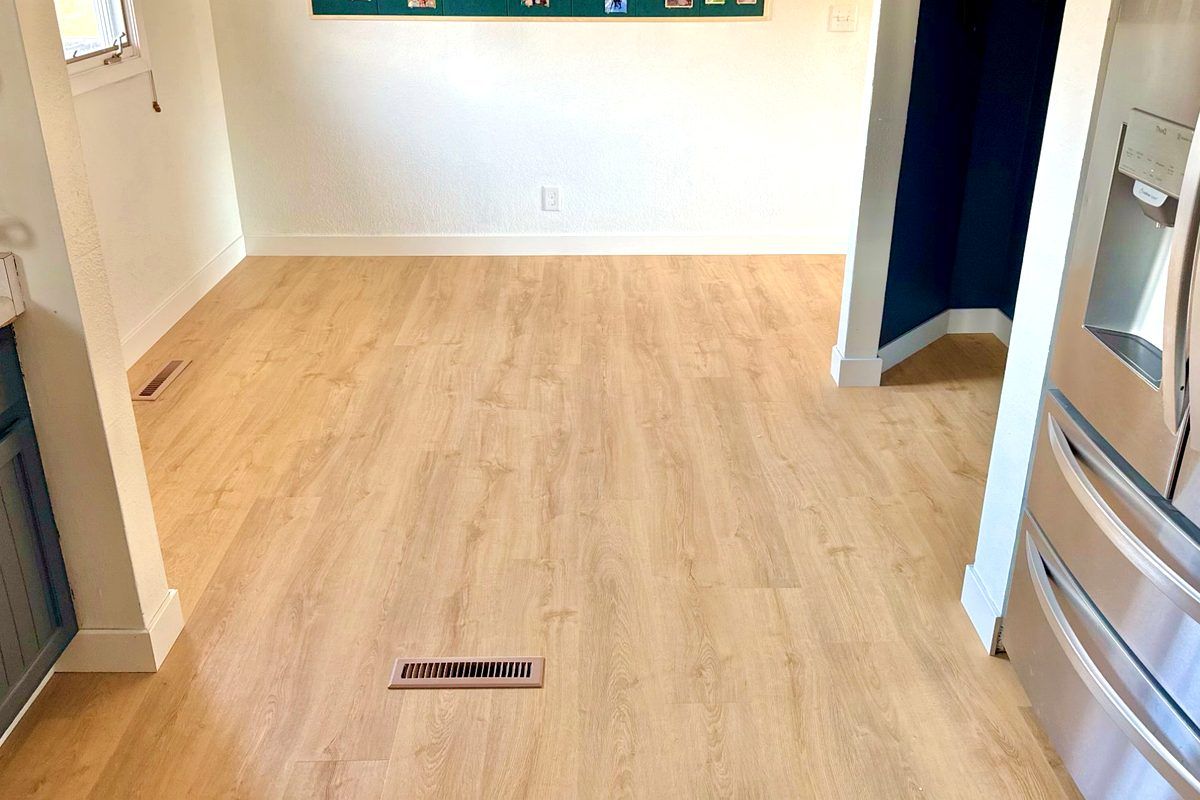
LVP is low-maintenance. Sweep or vacuum regularly, mop when needed, and it stays looking good. No refinishing, no special cleaners, no waxing.
Hardwood requires a bit more attention. You'll want to use cleaners made specifically for hardwood, avoid excess water, and put felt pads under furniture. Over time, high-traffic areas will show wear — but that's when you refinish, and the floor looks brand new again.
Installation
Both can be installed relatively quickly, but LVP is generally faster. Most LVP products click together and float over the subfloor, which means less prep time. Hardwood installation takes longer — the material needs to acclimate to your home's temperature and humidity for several days before it goes down, and the subfloor needs to be level and clean.
Either way, proper installation is what makes the difference between flooring that looks great for years and flooring that develops problems early. That's why I handle every install personally rather than sending a crew.
So Which Should You Choose?
There's no wrong answer — it depends on your priorities.
Choose LVP if you want a durable, waterproof floor at a lower price point, especially in moisture-prone rooms like kitchens and basements. It's practical, it looks great, and it holds up to real life.
Choose hardwood if you want a premium, timeless floor that adds long-term value to your home. It costs more upfront, but nothing matches the look and feel of real wood.
And if you're still not sure, that's exactly the kind of thing we talk through during a free estimate. I'll look at your space, understand how you use it, and give you an honest recommendation — not a sales pitch.
Ready to get started? Contact Urban Edge Construction & Remodeling for a free flooring estimate in Cedar Rapids and the surrounding area.